


-
InsightsClient Story - Personal Injury - POSTED: September 2 2025
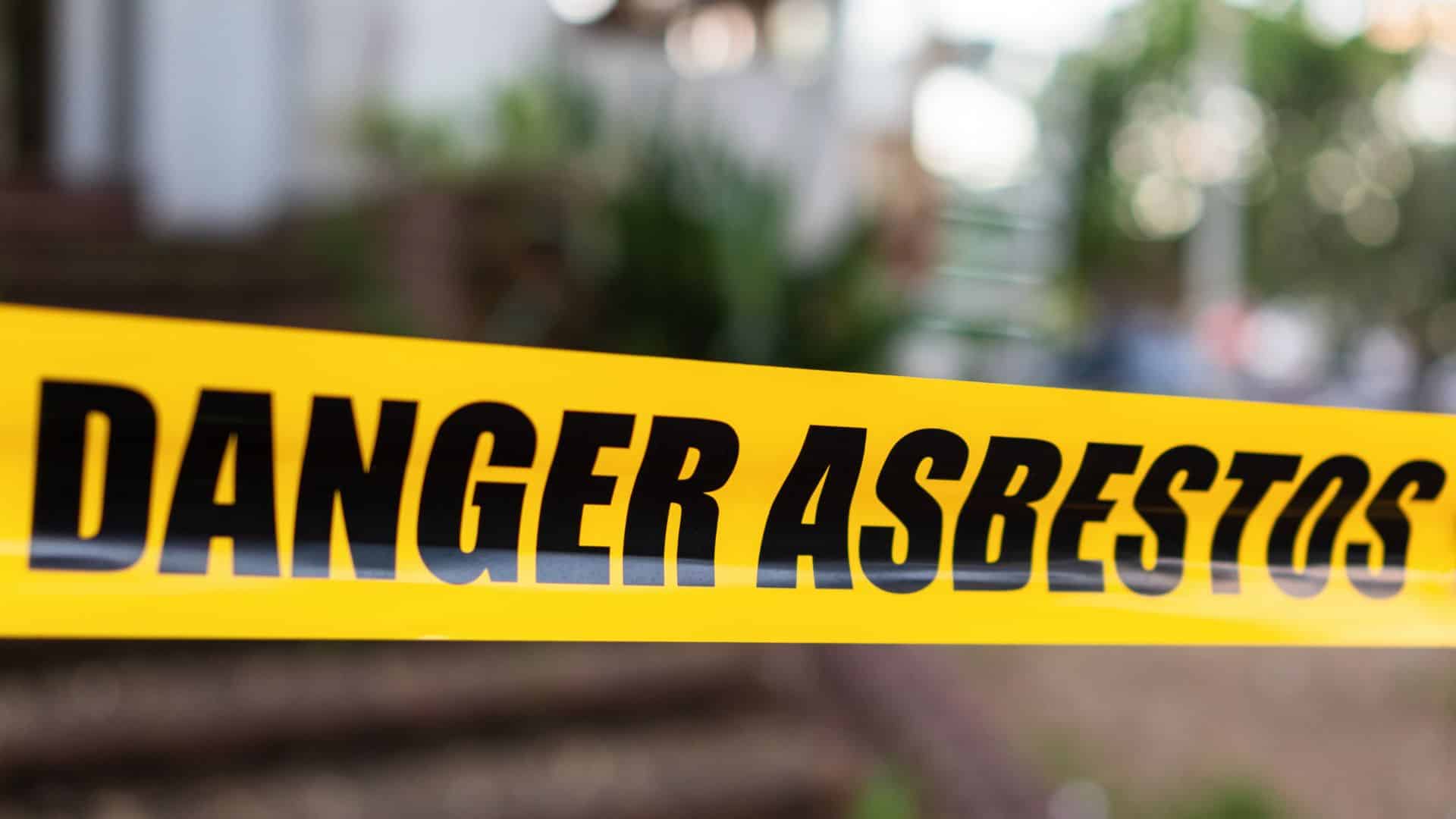
Successful asbestos lung cancer claim brought nine years after victim died
-

-
Our client, a widow from Canvey Island, Essex, who lost their spouse to asbestos-related lung cancer, commended Brachers’ “exceptional work in successfully settling the asbestos-related claim of her late husband, a former lagger for a company based in Barking, Essex. The client especially praised the conducting solicitor Jeremy Horton for his “remarkable professionalism. expertise” and “genuine compassion”. Jeremy and his dedicated team were able to settle the claim for asbestos-related lung cancer for a substantial six-figure sum within 21 months after overcoming some major challenges to prove a claim where the victim had died of lung cancer nine years before we were instructed without anyone advising him of a link with his asbestos exposure history as a heating insulation lagger.
Background to our client’s case
In June 2014, the client’s husband, who owned a successful commercial cleaning company, had been diagnosed with a stage 4 adenocarcinoma of the left lung at Southend hospital, Essex. The diagnosis followed four months of worsening chest symptoms, including a worsening bloody cough, increasing breathlessness and pain in the centre of his chest. He’d previously been quite a heavy smoker and the assumption was this was the cause of his lung cancer – like his father before him. Within two months he was dead. He left behind a dependent widow, to whom he had been married for over 50 years, four sons, various grandchildren and a cleaning business now run solely by one of his sons.
Following the ninth anniversary of the client’s husband’s death one of her sons asked her whether his lung cancer might have been due to asbestos exposure and not just smoking. The client didn’t think so because her husband never had “asbestosis” or the asbestos lung cancer, mesothelioma. But she confirmed he had been exposed to a lot of asbestos at work at Norris Warming Ltd when they were first married. She recounted how he used to come home covered in fluffy dust – blue and whiteish grey – after he’d spent all day banging out asbestos lagging from metal drums and pipes. She used to make him strip off his dusty work clothes before he entered their flat and she would sweep off the dust and then pour a bucket of water over them.
The client’s daughter-in-law then googled and found a case study by Jeremy Horton of Brachers about a claim by another former lagger for the same Essex-based lagging company, Norris Warming Ltd. We had got his widow compensation for lung cancer and asbestosis caused by his asbestos exposure by them. The next day they both called Brachers and Jeremy Horton advised it sounded like they might have a good compensation claim against the company.
The challenges – what made this case particularly difficult
To recover compensation for the client for her husband’s lung cancer and death we had to overcome the following major challenges:
- The husband had died over nine years before the client contacted us
- During his lifetime his metastatic left-sided lung cancer was just attributed to his long smoking history
- No one had suggested his adenocarcinoma was caused by his exposure to lagging dust while working for Norris Warming Ltd
- His most likely source of asbestos exposure was as a lagger when working for his previous company between about the late 1950s and early 1970s, but they had gone out of business many years earlier
- The husband had died without giving any statement about how, when, where and how much he was exposed to asbestos or when his employment with the company had started
- The companies only insurers that could be traced, Chester Street Insurance, had also gone out of business many years ago and no insurers at all were found for the start of his employment – before 1962
- No post mortem autopsy was ever carried out
- When he died, aged 71, he was still a working director and shareholder in the family cleaning business run with his son
- The business nearly collapsed because of his lung cancer and death before his son turned it around
- It was expected he would have continued taking a director’s salary and dividends from the business for many years
- But it was unclear how the business would have performed if he hadn’t died and what earnings and dividends he would have taken as he got older
We were therefore having to build the case from scratch 9 years after the victim’s death, to prove:
- The claim against his place of work was not started too late
- Who exposed him to asbestos and why they were negligent?
- Did the company expose him to the high levels of more toxic asbestos (“brown” amosite or “blue” crocidolite) required to link his lung cancer with his asbestos exposure?
- What part his own negligent smoking played in his lung cancer
- How much of his asbestos exposure happened before or after the companies insurers came on risk?
- What proportion of the company’s liability would be paid out by the Financial Services Compensation Scheme? (They pay out part or all of disease claims covered by insolvent insurers)
- What the client and her husband’s state and private pensions would have been
- How the cleaning business may have fared if the client’s husband hadn’t died and what income he would have taken from it
- Complex calculations of business taxes to come off those earnings with rates changing over 11 years
- The value of the services the husband provided the client
- How long he would have lived but for the lung cancer
How we met those challenges and achieved a great result for the client
Despite these difficulties, the writer dealt with the matter throughout without using a barrister or forensic accountant. He successfully settled the claim for a large six-figure sum without putting the client through the stress of court proceedings.
We took the following key actions to secure justice and compensation for the client:
- We traced his previous place of works insurers as far as possible
- We obtained and reviewed the husband’s full medical records and Revenue employment records (latter only go back to 1961/62)
- We took “hearsay” witness statements from the client and her sons about what her husband had said about this employment/exposure history as a lagger, what state the client saw him come home in, his general medical and smoking history, history of the lung cancer and its effects and the services her husband used to provide
- We obtained a medical report from asbestos specialist chest physician, Dr Twort, confirming the client’s husband lung cancer was likely mainly caused by his asbestos exposure and how long he would have lived but for the disease
- We sent a full letter of claim to PwC for the FSCS with our evidence inviting an admission of liability
- As usual, PwC would not admit liability for the lung cancer but indicated they would make an offer once we had provided a schedule of losses and full supporting evidence
- We pieced together details and projections of what the client and her husband’s pensions would have been but for his death
- We obtained detailed documentary and witness evidence about the business before and after the client’s husband’s death – from his son who continued the business after him
- We prepared a very detailed 56-page Schedule of Losses covering 2013 to 2026 totalling about £1/2 million – the maximum we believed reasonably arguable on the evidence
- However, we advised the client there would be some big deductions for:
– pre-insurance employment/exposure by his previous employer
– smoking contributory negligence
– speculation about how the business would have performed but for her husband’s death
– speculation about what shares and income the clients husband would have taken from the business as he got older
– the more usual quantum arguments
- We served the Schedule and supporting documents and invited PwC’s offer
- After chasing their delayed response, PwC advised, because of this lung cancer claim’s complexity, they had passed the case on to their panel solicitors, DWF.
- We then had extensive negotiations with DWF arguing over the above issues
- DWF initially offered a six-figure sum after deductions for smoking contributory negligence but without agreeing the discount for the period the company were uninsured
- Ultimately, we persuaded DWF to increase the six figure sum.
- We advised the client this was still slightly below our reasonable assessment of the claim, and we would be happy to issue court proceedings to fight for more for her.
- However the client wanted to accept to avoid any further stress or delay
- The offer was therefore accepted.
Client’s testimonial
“ I cannot express enough gratitude to Brachers law firm, and especially to Jeremy Horton, for their exceptional work in successfully settling the asbestos-related claim for my late husband.
From our very first contact, Jeremy and his team demonstrated remarkable professionalism, expertise, and, most importantly, genuine compassion during what was an incredibly difficult time for me and my family. Navigating the complexities of an asbestos claim after losing my husband felt overwhelming, but Brachers guided us through every step with clarity and unwavering support.
Jeremy Horton was an outstanding lead solicitor. His depth of knowledge regarding asbestos litigation was immediately apparent, and he meticulously handled every detail of the case. He was always approachable, patient in answering our many questions, and kept us informed with regular updates, ensuring we understood the progress at every stage. His strategic approach and dedication ultimately led to a successful and satisfactory settlement, which has brought us a much-needed sense of closure and security.
The entire team at Brachers operated with efficiency and sensitivity, making a challenging process as smooth and stress-free as possible. Their commitment to achieving justice for my husband was evident throughout.
I wholeheartedly recommend Brachers law firm to anyone seeking legal assistance, particularly for complex and sensitive cases like asbestos claims. Their expertise, combined with their compassionate client care, truly sets them apart. Thank you, Jeremy Horton and Brachers, for everything you have done for us.”
How can we help you with an asbestos claim?
This asbestos lung cancer claim was dealt with by Jeremy Horton, with the valuable help of senior litigation executive, Lyn Lester. Jeremy is a Solicitor and Partner in the firm, specialising in asbestos compensation claims in Kent, Medway, Essex and beyond. Jeremy is passionate about helping asbestos disease victims and their families achieve fair compensation as quickly as possible. He is the only APIL Accredited Occupational and Asbestos Disease Specialist solicitor in Kent, Medway, Essex, Surrey or Sussex.
If you or your family have suffered an asbestos-related disease and would like to know more about pursuing an asbestos disease claim, book a 30-minute virtual appointment.
This content is correct at time of publication
Can we help?
Take a look at our Personal Injury page for useful information, resources, guidance, details of our team and how we may be able to help you
This article is for information only and does not constitute legal advice. We recommend seeking professional advice before taking any action on the information provided. If you would like to discuss your specific circumstances, please feel free to contact us on 01622 534737.
-
Key contact:
Get in touch
Please fill out the below form or alternatively you can call us on 01622 690691


-
Successful settlement for injured contractor following safety failures on site
Read More -

From injury to recovery: How Brachers secured justice under the Occupiers’ Liability Act
Read More -

Brachers advises on sale of BTL-UK Limited to Swedish industrial group
Read More -

Brachers maintains strong rankings in Chambers High Net Worth Guide 2025
Read More -

Brachers advises WSL Will Writing on sale to Octopus Legacy
Read More


